
What’s In A Label?
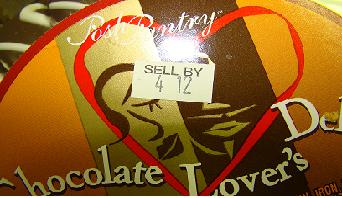
After my last trip to the grocery store, I decided that food labels must be written in Greek and Latin. What was the difference in “Sell-By” and “Use-By?” What about “Best If Used By?” Was the food good until that date-then it expired? Was it good after that date? Hopefully the following will help you the next time you travel to the grocery store.
Product dating is not required by Federal regulations unless it is baby formula or some baby foods. If a date is stamped on the package, there must be a phrase nearby explaining what it means. To make matters more confusing, there are no industry standards used for labeling foods. Some states have specific requirements, others do not.
CLOSED DATING: This appears on shelf stable products like canned goods and boxed products. This is a code only the manufacturer can decipher. It is usually a bar code of some type. You can call the manufacturer to ask for the key to crack the code! The exception for this type of dating is on fresh eggs. The date on the side of the carton tells the store the last day that they can sell the eggs. They continue to be safe to use up to three weeks after this date if handled safely.
OPEN DATING: a calendar date is stamped on the food to sell or use the product by that date. This is not a safety date, but a quality date. This is usually stamped on perishable foods. Many times, canned g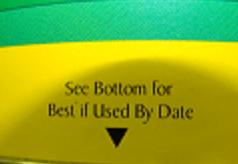 oods also have a date to use by on it. An example is the dating of diet pop. Certain sweeteners lose their flavor over time, so it is recommended that you only keep your diet pop in a cool place for less than 100 days. If it is stored someplace warm, it will lose its flavor faster.
Types of Open Dates:
- Sell-By: tells the store how long to display this item. You should buy the food before it expires. This allows 2-3 days for use at home after this date.
- Best if Used By (Before): Date based on the best quality or flavor for the product, not a safety date. Most foods should be consumed by this date. This is usually placed on foods with a shelf life of 3-18 months, like cereal.
- Use-By: this is the last recommended dated for the use of the product for peak quality. This date has been determined by the manufacturer. This is usually placed on foods with a shelf life of 6 weeks or less. It is recommended for safety, that you do not consume foods after this date.
- Packed-On: This is the date the food was packed on, not when it was picked or made.
- Expiration Date: This is the date the food is expected to expire. Do not use the food past this date.
As with all foods, handle them safely for maximum storage life.
It’s crazy how many grocery stores try to sell outdated products (or in days). Thank you for the reminder to all your viewers!!!!
interesting topic, clears up a lot of misinformation. Thank you!